








آخر الأخبار

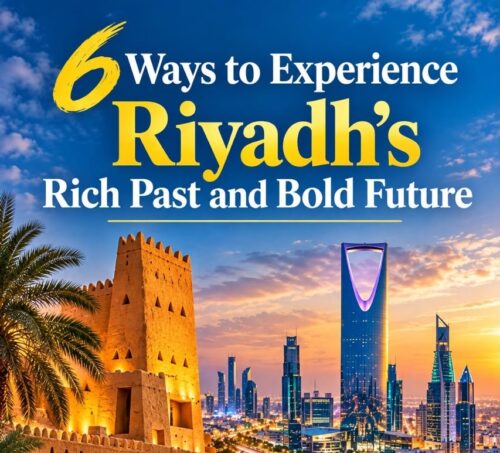
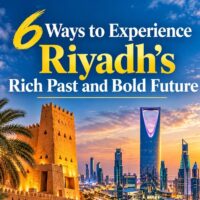
Riyadh: 6 Unforgettable Ways to Discover Saudi Arabia’s Past and Embrace Its Future

شارك

Ahmed Ali alzahrani

Riyadh, the capital of Saudi Arabia, is experiencing rapid growth and remarkable development, making it one of the most dynamic cities in the Arab world. The city combines the rich heritage of Saudi Arabia with a modern vision for the future, playing a central role in the country’s economic, cultural, and social progress.
Riyadh Attractions:
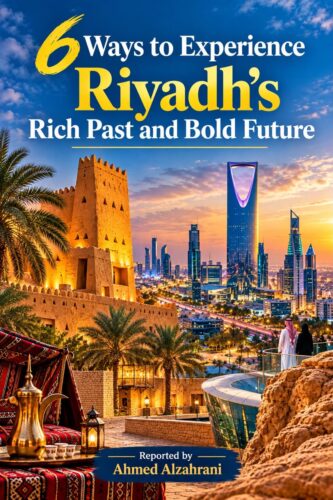
Riyadh has transformed from a city that international travelers rarely considered into one of the Middle East’s most compelling destinations. The Saudi capital now offers a spectrum of attractions that spans 300 years of history, cutting-edge urban entertainment, natural desert landscapes, and cultural institutions that rival anything in the Gulf region. Saudi Arabia welcomed 122 million visitors in 2025, and Riyadh accounted for 15 million of those arrivals — a number that will only accelerate as mega-projects like Expo 2030 and Qiddiya come online.
The city’s landmarks fall into several distinct categories. Heritage sites highlight Riyadh’s identity in its founding story.
The city’s landmarks fall into several distinct categories. Heritage sites highlight Riyadh’s identity in the story of its founding. They are as follows:


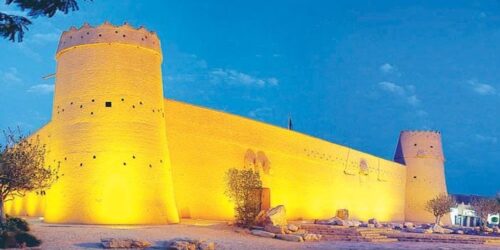
AL- Masmak Fortres
As arguably the most important historical landmark in Saudi, Masmak Fortress serves as an effective primer for travelers interested in learning about the foundation of the country. As the key battleground in the fight for Saudi unification, the castle already stands as a significant symbol of Saudi identity. Converted into a museum in the 1990s as a centerpiece of the sprawling King Abdulaziz Historical Centre, Masmak Fortress features period relics and educational films.


AL- Diriyah
Perhaps no other place in the capital straddles the line between yesterday and tomorrow quite like Diriyah, sure to be a highlight for first-time visitors to Riyadh. Centered on a natural oasis, the region was the seat of the first Saudi capital, and today it remains remarkably well-preserved.
One of the country’s six UNESCO World Heritage Sites, At-Turaif District is particularly packed with largely intact mud brick ruins hinting at this rich history, with the Salwa Palace as its crown jewel. Inside, visitors can engage directly with the past, thanks to the immersive technology at the Diriyah Museum, then dine at one of twenty international restaurants overlooking the ruins at Bujairi Terrace. With many more additions forthcoming, from art galleries to an immersive Period Village, the next generation of Diriyah looks to be the best yet.


Saudi National Museum
As part of the King Abdulaziz Historical Centre connected through a vast network of public gardens, the Saudi National Museum lies just over a mile north of Masmak Fortress, and represents a new phase in the city’s narrative, with construction completed in 1999. Designed to reflect the sweeping red sand dunes found just beyond the city limits, the museum contains thousands of artifacts which help chart the course of history on the Arabian Peninsula, from prehistory to today. As a result, the museum stands as a great option for families and educational tours. Planners would also be advised to take note of the many events in National Museum Park and throughout the city from October to March each year as part of Riyadh Season


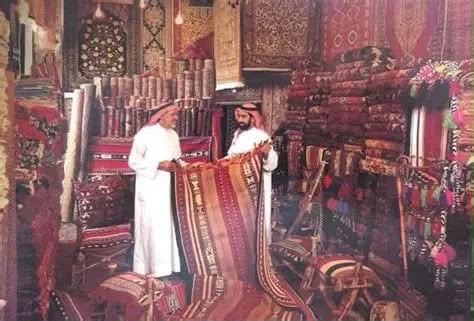
Souk Al Zal( Rug market)
As the largest and most historic bazaar in the city, Souq Al Zal bursts with the colors, scents, and flavors that have defined Arabic culture through the years. Though its name translates roughly to “rug market,” Souq Al Zal offers a bounty of crafts, from ceremonial swords to perfumes and, of course, an abundance of handwoven tapestries. The souk is an authentic shopping center for locals complete with its own food court, and merchants are accustomed to engaging with English-speakers. The souq offers a great opportunity for travelers to mingle with Saudis, best punctuated with the ritualistic welcome of a classic, cardamom-infused Saudi coffee.
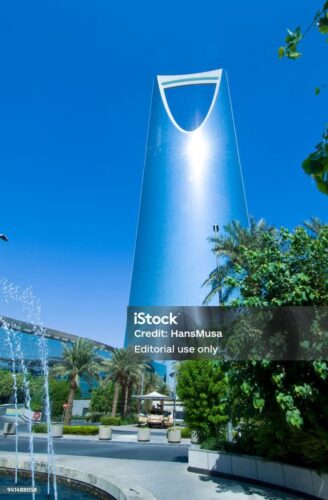
The Skybridge at Kingdom Center
One of Riyadh’s most recognizable structures is the Kingdom Center with its inverted archway and iconic Skybridge hovering nearly a thousand feet over the city. Inside, visitors can shop at 150 stores, dine at world-class restaurants, , and then close out the evening with one of the city’s most spectacular sunset views


Al Faisaliah Tower
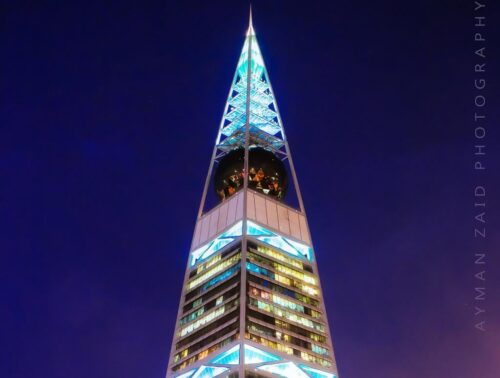
Before Kingdom Centre Tower rose to claim the title of Riyadh’s most photographed building, Al Faisaliah Tower held that position — and for many residents and visitors, it still does. Completed in 2000, the 267-metre tower was Saudi Arabia’s first skyscraper and remains one of its most architecturally distinctive. Its defining feature is the golden glass sphere perched near the summit, housing The Globe restaurant and an observation deck that provides sweeping views across the city. The sphere gives the building a silhouette unlike any other skyscraper in the world — a slender pyramid crowned by a luminous orb that glows amber at night.

اترك ردّاً

لن يتم نشر عنوان بريدك الإلكتروني. الحقول الإلزامية مشار إليها بـ *