

















Ahmed Alzahrani _ Saudi Arabia
Saudi Arabia is rich in heritage villages that reflect its deep-rooted history and authentic culture. These villages showcase traditional ways of life, customs, and traditions that once prevailed across different regions of the Kingdom. They are considered important cultural and tourist destinations, helping visitors learn about Saudi Arabia’s past while preserving its architectural heritage and strengthening national identity for future generations.
Relevant authorities, led by the Saudi Heritage Commission, are actively working to restore and preserve these villages and transform them into cultural and tourist attractions. This is achieved through organizing events and festivals that highlight traditional heritage, enhancing Saudi Arabia’s position as a global destination that blends modernity with authenticity.
Below is an overview of أبرز heritage villages and sites in Saudi Arabia, including those listed under the UNESCO World Heritage Program. Eight sites have been officially inscribed on the World Heritage List by UNESCO:
The most prominent villages and heritage sites in Saudi Arabia
Madain Saleh(Al-Hijr)
Located in the northwest of Saudi Arabia, Al-Hijr—commonly known as Madain صالح—is believed to have been the home of the Thamud people. In 2008, it became the first Saudi archaeological site to be inscribed on the UNESCO World Heritage List. The site includes 153 rock-cut facades along with several Islamic monuments.
At-Turaif District (Diriyah):
Situated in Diriyah (northwest of Riyadh), the historic At-Turaif district holds immense cultural and political significance. It was the center of governance for the First Saudi State, with its palaces, mud-brick buildings, mosques, and administrative structures. It was once considered one of the most powerful cities in central Arabia.
Dhee Ayn Heritage Village (Al-Baha Region):
Famous for its stone buildings and quartz-decorated balconies, this village dates back to the late 10th century AH. It is surrounded by mountains and located in Al-Makhwah Governorate. The village is known for its water springs, diverse vegetation, fruit cultivation, and high-quality handicrafts.
Rijal Almaa Village (Asir Region):
An architectural icon built of stone, clay, and wood, featuring a heritage museum. The village dates back over 400 years and is located about 52 km from Abha. It is known for its multi-story stone forts and colorful wooden windows inspired by traditional Asir designs
Ushaiger Heritage Village (Riyadh Region):
Located about 170 km northwest of Riyadh, Ushaiger lies in the Al-Washm plain of Najd. It reflects the essence of old Najdi life with its mud houses, traditional markets, and historic mosques
Sudair Heritage Village (Awdat Sudair):
Known for its beautiful Najdi architecture and surrounding natural landscapes, this village lies about 170 km northwest of Riyadh. أبرز landmarks include historical hills, valleys, and old settlements.
Al-Musqaa Village (Asir Region):
Over 1,700 years old, this village lies about 27 km south of Abha. It represents an important aspect of Asir’s cultural heritage, with a unique architectural style and ancient history.
bn Hamsan Village (Asir Region):
Located in Khamis Mushait, this village is a cultural and architectural gem designed to reflect traditional life in the region.
Al-Faw Village (Riyadh Region):
A UNESCO-listed site located حوالي 700 km southwest of Riyadh. It reflects an ancient civilization that connected the Arabian Peninsula with other cultures.
Historic Jeddah (Al-Balad):
A UNESCO World Heritage Site on the Red Sea coast, known for its traditional architecture, coral stone houses, and wooden “Rawasheen.” It historically served as a major port for pilgrims traveling to Mecca
Al-Khalaf and Al-Khalif Villages (Al-Baha Region):
Located near Qilwah, these villages are rich in Islamic inscriptions carved into basalt stones, including Qur’anic verses and historical markings.
Al-Atawlah Heritage Village:
One of the oldest settlements in northern Al-Baha, founded over 900 years ago. It includes around 29 traditional buildings made of granite and basalt, along with a historic mosque and annual heritage festivals.
Al-Ahsa Oasis:
A UNESCO World Heritage Site in eastern Saudi Arabia, known for its gardens, irrigation canals, springs, wells, and historical urban fabric, reflecting continuous human settlement since the Stone Age.
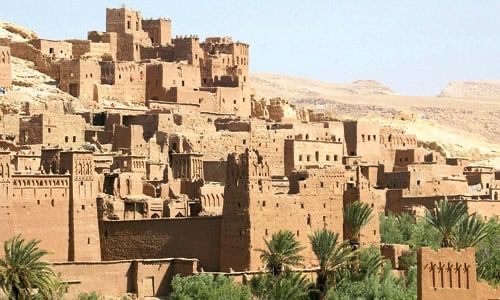
Hima Cultural Area (Najran):
Located along ancient caravan routes, this area features thousands of rock carvings depicting hunting, animals, plants, and daily life over a span of nearly 7,000 years.
Rock Art in Hail Region:
Includes sites such as Jabal Umm Sinman in Jubbah and Rat and Al-Manjor in Shuwaymis. These carvings, some over 10,000 years old, depict humans and animals, offering insight into ancient life.